
Residential
Electrical safety inspections in the Phoenix Valley
Buying an older home, answering an insurance letter about your panel, or just wondering what is behind the walls? We go through the electrical system and give you written findings with photos.
Get a free estimate
Tell us what is going on and we will set up a time to look at it.
Or call 602-935-7971
- Written findings with photos
- Panel and wiring evaluated
- Help with insurance panel letters
What's included
- Service entrance, meter-main cabinet and main panel inspection
- Panel brand check, including Federal Pacific and Zinsco
- Breaker, wiring and connection review with the panel cover off
- Grounding and bonding check, including the Ufer ground where visible
- GFCI and AFCI protection testing
- Outlet testing for grounding, polarity and worn contacts
- Wiring type review for aluminum, cloth-insulated or knob-and-tube wire
- Written findings with photos and prioritized recommendations
What an electrical safety inspection checks
A general home inspection looks at the whole house in one visit and often flags electrical concerns for an electrician to evaluate. Our inspection is that closer look, done by an electrician who works on these systems every day.
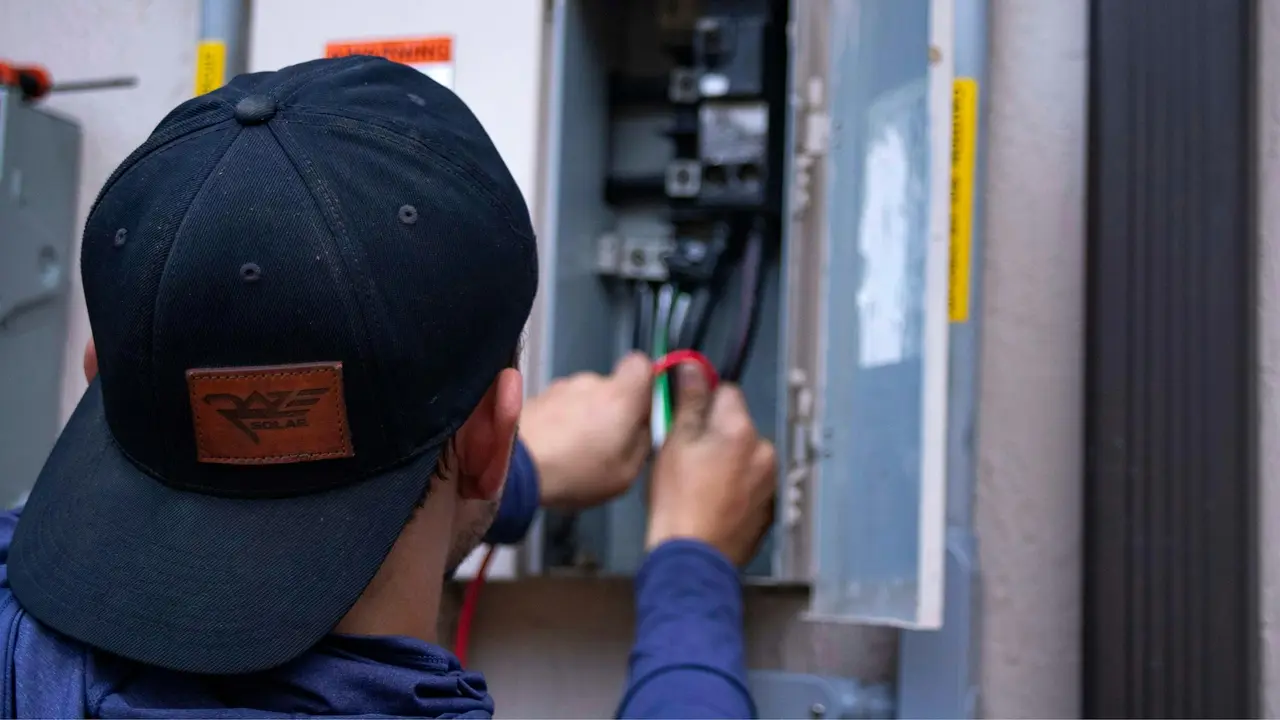
We start outside at the meter-main or service panel, checking the cabinet for rust and heat damage and confirming the panel brand. With the cover off, we look at breakers, wire sizes, double taps, signs of overheating and any work that looks homemade. Then we move through the house testing outlets and GFCI and AFCI protection, checking visible wiring in the garage and attic where it is safe to reach, and looking at grounding and bonding.
We also look at outdoor outlets, the AC disconnect and the circuits that feed pool equipment, since those take the most punishment from Phoenix heat and weather.
Pre-purchase inspections for older Valley homes
The age of a house tells you a lot about what to look for. Homes in central Phoenix historic districts like Willo, Encanto-Palmcroft, Coronado and Roosevelt date from the 1920s to the 1950s. They can have cloth-insulated wire, two-prong ungrounded outlets, rewiring done in pieces over the decades, and occasionally knob-and-tube.
Tract homes from the 1960s and 1970s across the Valley may have Federal Pacific Stab-Lok or Zinsco panels, and some homes built from about 1965 to 1973 used aluminum branch-circuit wiring. Newer homes in master-planned communities usually have 200-amp service but builder-grade devices, plus whatever a previous owner added on a weekend.
Book the inspection early in your inspection period so there is time to get repair pricing and negotiate. We write findings so a buyer, an agent and a seller can all follow them.
Insurance requests about your panel or wiring
Some homeowners get a letter or renewal notice from their insurance company asking about the panel brand or wiring type. Federal Pacific and Zinsco panels are common reasons, since many insurers and inspectors flag both brands. Aluminum branch wiring and knob-and-tube can raise questions too.
We inspect what they are asking about, take photos, and write up what we find: the panel make and condition, the wiring type, and whether we see signs of overheating or damage. If something needs repair or replacement, we explain the options and give you a written quote.
Your insurer makes its own decision. We give you a clear, factual record from an ROC-licensed electrical contractor that you can send to them.
Aluminum wiring, cloth wire and knob-and-tube
Aluminum branch-circuit wiring was used in some homes built from about 1965 to 1973. The U.S. Consumer Product Safety Commission has documented a fire risk where aluminum wire connects to outlets, switches and splices. The weak point is those connections, which can loosen and overheat, and decades of Phoenix heat cycles do not help.
If we find it, we explain the approved repairs, such as COPALUM crimp connectors or AlumiConn connectors at each connection, or rewiring the affected circuits. These fixes have to be done carefully, one connection at a time.
Cloth-insulated wire and knob-and-tube show up in some of the oldest homes in central Phoenix. Knob-and-tube has no ground wire, and older insulation can turn brittle with age. Not every old circuit needs to come out on day one. We point out which circuits are a priority and which can be planned for.
Written findings with photos
Every inspection ends with a written report. It lists what we checked, what we found, and photos of anything that needs attention, so you can see the scorched connection or the double-tapped breaker for yourself.
We sort findings by priority: safety issues to fix now, items to plan for, and things that are fine as they are. When repairs are needed, we explain the options and can give you a written quote. You are under no obligation to hire us for the repairs.
Our inspection is separate from a city inspection or a code certification. Only your city or county inspector signs off on permitted work. Our job is to report the condition of the system and what we would do about it.
When to schedule an electrical safety inspection
Schedule one during the inspection period on a home purchase, especially for homes from the 1970s or earlier. It also makes sense when your insurer asks about the panel, before a remodel or addition, before adding solar, an EV charger or a pool, and when you move into an older home that has not been looked at in years.
If you are noticing warning signs right now, like a burning smell, a warm outlet or a buzzing panel, do not wait for an inspection. Call 602-935-7971 for a repair visit, and if you see smoke or flames, call 911.
How it works
From the first call to a passed inspection.
01
Call or send plans
Call 602-935-7971, use the estimate form, or email drawings to contact@prcselectrical.com. We ask a few questions and set a time to look.
02
On-site visit
An electrician checks the panel, the service size, the circuits involved and what the utility or inspector will require.
03
Written flat price
You get the scope and the price in writing, including permits, before work starts.
04
Work and inspection
We work to your schedule, after hours when a business needs to stay open, pass inspection and walk you through the finished work.
Why people call Precise Electrical
Inspected by electricians
The inspection is done by an electrician who repairs these systems, so you get a deeper look at the panel and wiring than a whole-house walk-through can give.
Findings you can share
You get written findings with photos that a buyer, agent, seller or insurer can follow without an electrician in the room to explain them.
No pressure on repairs
We tell you what is urgent and what can wait. You are free to take the report to any licensed contractor for the repair work.
Questions about electrical safety inspections
How is this different from a home inspection?
It goes deeper on one system. A general home inspector checks the whole house and often recommends that an electrician evaluate what they flag. We are that follow-up. We spend the visit on the electrical system, open the panel, test circuits and protection, and can price any repairs we recommend.
Is an electrical safety inspection the same as a free estimate?
No. A free estimate is a visit to price a specific job, like a panel upgrade or a new circuit. A safety inspection goes through the whole electrical system and ends with a written report, so it is quoted separately. We quote the inspection price before we book it.
My insurance company asked about my panel. Can you help?
Yes. We inspect the panel or wiring they are asking about, take photos and give you written findings you can send them. If replacement is needed, we quote it in writing. The decision is up to your insurer. You will have a clear record from a licensed contractor.
Do you check for Federal Pacific and Zinsco panels?
Yes. We identify the panel brand and model, look at the breakers and connections, and note any heat damage. Both brands have a long record of breakers that may not trip when they should, so before adding circuits, we usually recommend replacing the panel.
How long does an inspection take?
It depends on the size and age of the home. A newer house with one panel goes faster than an older home with subpanels, additions and mixed wiring. We give you a time window when you book, and the written report follows the visit.
Can I replace two-prong outlets with three-prong outlets?
Not without a ground. A three-prong outlet with no ground wire behind it looks safe but is not. The usual fixes are running a new grounded circuit or, where code allows, adding GFCI protection and labeling the outlet as having no equipment ground.
Will you fix what you find?
If you want us to, yes. We give you a written quote for anything we recommend, sorted by priority, and you are free to take the report to another licensed contractor. Some findings are quick repairs. Others, like a panel replacement, need a permit and inspection.
Other services
- Panel upgrades
- Electrical repair
- EV chargers
- Rewiring
- Lighting
- Ceiling fans
- Outlets & GFCI
- Surge protection
- Backup power
- Emergency electrician
- Pool & spa
- Dental & medical
- Restaurants
- Retail build-outs
- Office electrical
- Industrial electrical
- Commercial electrical
- Build-outs & renovations
- Commercial lighting
- Electrical maintenance
The crew
Licensed electricians on every job
The electrician who looks at your job is qualified to do it. We photograph what we find and give you options when there is more than one good fix.
- Arizona ROC licensed and insured
- Photos and written findings on every job
- Permits and inspections handled
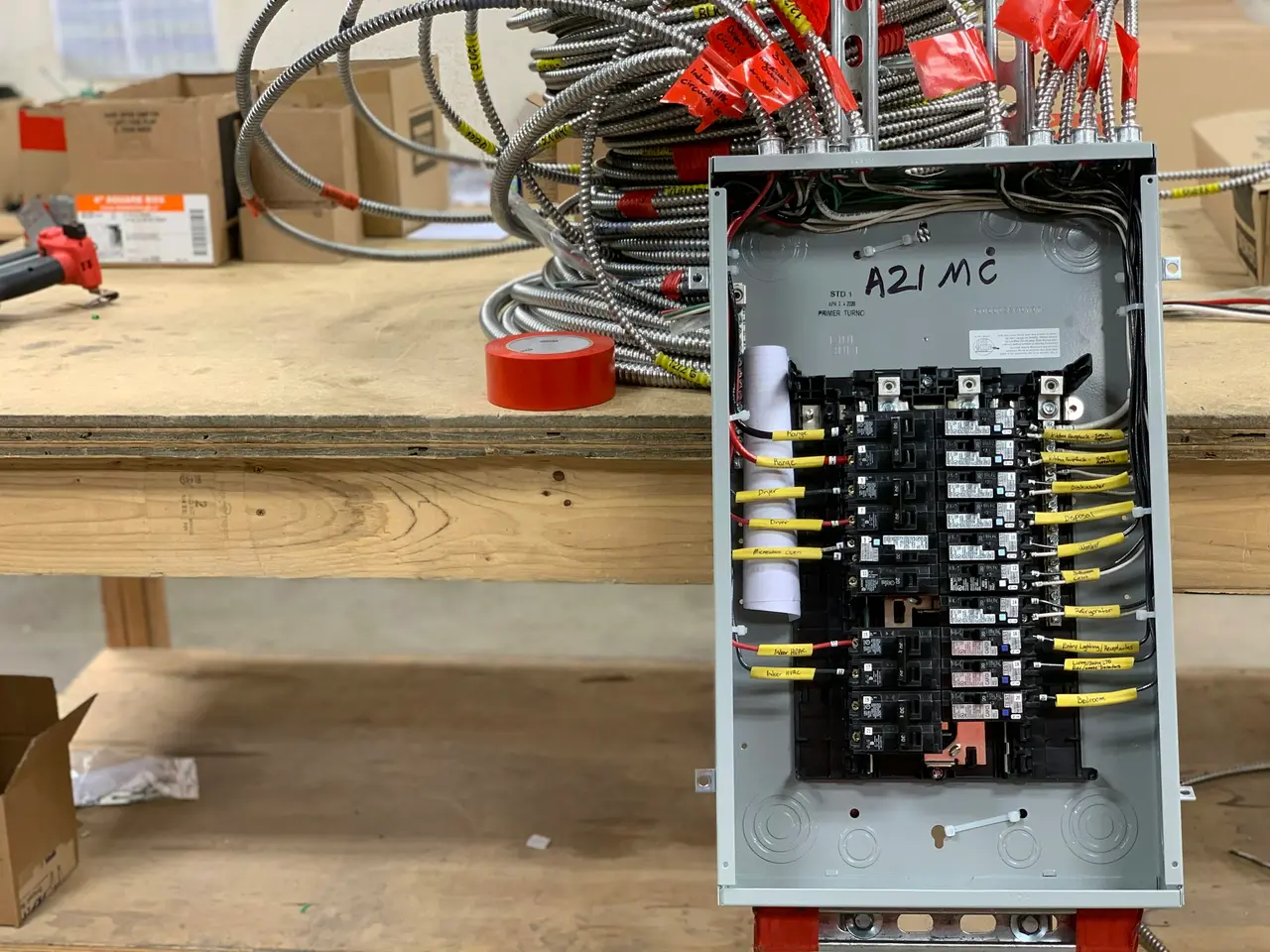
- Clean job sites and labeled panels
Arizona ROC License CR-11 #368777 · Look it up
Tell us what you need.
Free estimates, written flat-price quotes and permits handled, anywhere in the Valley.
602-935-7971