
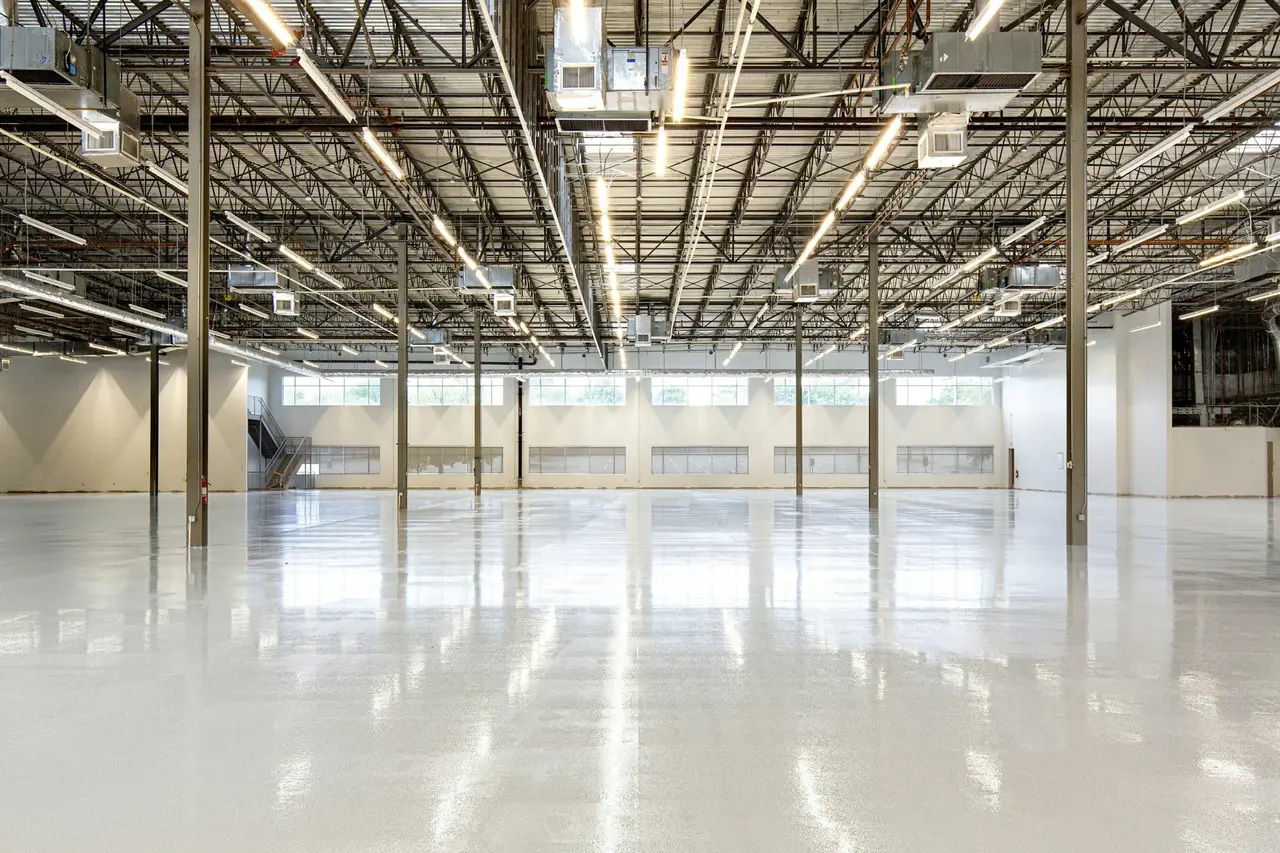
Commercial
Warehouse and industrial electrical in the Phoenix Valley
We handle electrical improvements in warehouses, distribution buildings, shops and light manufacturing spaces, including new machine and charger circuits, high-bay LED lighting and service upgrades. Shutdowns are planned around your shifts, and utility work is coordinated with APS, SRP or whichever utility serves the building.
Get a free estimate
Tell us what is going on and we will set up a time to look at it.
Or call 602-935-7971
- 208V and 480V three-phase power
- High-bay LED with aisle controls
- Service upgrades with APS or SRP
What's included
- Load review of the existing service, panels and transformers
- Three-phase circuits for machines, compressors and conveyors
- Step-down transformers and panels for 120/208V loads
- High-bay LED and occupancy controls for racked aisles
- Power for dock levelers, door operators and dock lights
- Forklift charger circuits and conduit for future EV charging
- Service upgrades coordinated with APS, SRP or your utility
- Shutdowns planned around shifts, weekends and closures
Three-phase power at 208 and 480 volts
Most industrial buildings and larger warehouses in the Valley have three-phase service, at either 208Y/120 volts or 480Y/277 volts. The voltage shapes the whole job. In a 480-volt building, high-bay lights usually run at 277 volts, larger motors run at 480, and a step-down transformer feeds a 208/120-volt panel for receptacles, offices and smaller equipment. In a 208-volt building, a machine wired for 480 may need a step-up transformer, a rewired motor or a different model, and that is cheaper to find out before the purchase order goes in.
Before we quote, we check the service size, the voltage, the open spaces in each panel and how much load the building already carries. If you have nameplates or spec sheets for the new equipment, send them. The nameplate voltage, phase and full-load current tell us the circuit size, the disconnect and whether the existing gear can take it.
Machines, compressors and production equipment
Industrial improvements usually start with equipment: a CNC machine, a welder, a conveyor line, a packaging machine, a dust collector or a larger air compressor. Each one gets a circuit sized from its nameplate and the code tables, overload protection where the equipment does not provide its own, and a disconnect where the code requires one, usually within sight of the machine. Motors draw far more current when they start than when they run, so we size the protection to let them start without nuisance trips.
Shop layouts change. Where machines move every year or two, an overhead busway with plug-in disconnects can turn the next move into a short job with no new conduit runs. Compressors need airflow and room for service, and a closed compressor room gets very hot in a Phoenix summer, which is hard on the machine and the wiring. We lay out drops and disconnects with your maintenance team so they can reach them without moving stock.
High-bay LED and rack-aisle lighting
Older warehouses are often lit with metal halide high-bays that take minutes to restrike after a power blip and lose output as they age, or with fluorescent fixtures that are wearing out. LED high-bays come on at full output right away, use less power and pair well with occupancy sensors. In racked storage, placement matters as much as the fixture. Lights go over the aisles, in line with them, with optics that put light on the rack faces where people read labels. A fixture centered over a rack mostly lights the top of the stock.
Energy codes commonly require occupancy controls in warehouse aisles and open storage areas that drop the light level when nobody is there. With a sensor on each fixture, the aisle a forklift turns into lights up ahead of it while the others stay dimmed. High ceilings mean lift work, so we plan around racks, stock and traffic, and we coordinate fixture locations with the sprinkler contractor so nothing blocks a head.
Docks, forklift charging and fleet charging
Dock equipment arrives from its own vendor and needs power where it sits: hydraulic dock levelers, vehicle restraints, overhead door operators, dock lights and dock fans. Many leveler and door operator control panels run on three-phase power, and the vendor's drawings show where each one goes. We run the circuits and disconnects to those locations and make the final connections once the equipment is set.
Forklift chargers are sized from their nameplates too. Many industrial chargers need three-phase power, and a row of them can take a large share of a panel. Moving from lead-acid to lithium-ion batteries, or adding opportunity charging, changes the charger count and layout, so we plan circuits around the new fleet. For EV and fleet charging, we can add panel capacity and run empty conduit to future charger spots now, so chargers go in later without trenching the lot twice. One detail to know: a Level 2 charger rated at 240 volts delivers less power on a 208-volt system, which matters when vans need a full charge overnight.
Service upgrades and utility transformers
When a building needs more capacity than its service can deliver, the job reaches past the building. The pad-mounted transformer outside usually belongs to the utility: APS or SRP across most of the Valley, the City of Mesa in parts of Mesa, and ED3 in parts of the Maricopa area. The utility designs and sets it. Our side is the load calculation, the service application, the switchgear or meter section, and any conduit or pad work the utility assigns to the customer. Inside the building, dry-type step-down transformers and new panels are ours to install.
The utility sets its own design and construction schedule, and large switchgear and transformers can have long lead times. We submit early, track the application, and show you which milestones are ours and which belong to the utility, so the equipment order and the shutdown date are planned around dates that hold. When the utility is ready to cut over, we schedule it for a weekend or a planned closure.
Shutdowns, summer heat and cooling loads
Most industrial work happens in buildings that keep shipping. We plan shutdowns for nights, weekends or a scheduled closure, list the equipment that will be down and for how long, and walk the plan with your operations or maintenance lead before the day. Equipment that cannot stop gets a plan of its own, such as a temporary feed during the cutover.
Phoenix heat shapes warehouse electrical. Many buildings rely on large evaporative coolers, big low-speed ceiling fans and exhaust fans to keep people working through the summer, and conditioned areas add rooftop HVAC units. Those loads peak in July, when panels in an uncooled warehouse are already running hot. Breakers trip at lower loads when they are hot, and wire run across a sun-baked roof has to be sized for that heat. We size circuits for summer conditions, and in the hottest months we plan roof work for early mornings.
When to plan warehouse and industrial electrical work
Before you buy the equipment or sign the lease. A machine ordered at the wrong voltage, or a set of chargers the panel cannot carry, is expensive to fix after delivery. Send us the spec sheets while you are still choosing, and we can tell you whether the building can take the load.
If the project needs a service upgrade or new switchgear, start as early as you can. The utility process and equipment lead times often set the schedule, and electrical work inside the building can usually move ahead while the utility side catches up.
How it works
From the first call to a passed inspection.
01
Call or send plans
Call 602-935-7971, use the estimate form, or email drawings to contact@prcselectrical.com. We ask a few questions and set a time to look.
02
On-site visit
An electrician checks the panel, the service size, the circuits involved and what the utility or inspector will require.
03
Written flat price
You get the scope and the price in writing, including permits, before work starts.
04
Work and inspection
We work to your schedule, after hours when a business needs to stay open, pass inspection and walk you through the finished work.
Why people call Precise Electrical
Sized from the nameplates
Circuits, disconnects and transformers are sized from the equipment's actual nameplate data, so the machine runs the day it is set.
Shutdowns planned with operations
Cutovers happen on nights, weekends or planned closures, with a written list of what will be down and for how long.
Utility work tracked from day one
We prepare the load calculation, submit to APS, SRP or your utility early, and keep you posted on which dates the utility controls.
Questions about warehouse & industrial electrical
Can you wire equipment that runs on 480 volts?
Yes. We install 480-volt three-phase circuits, disconnects and controls for machines, compressors and chargers. If your building only has 208-volt service, we can add a transformer, or help you check whether the equipment comes in a 208-volt version, before you place the order.
Do we need a service upgrade to add equipment?
Not always. Many buildings have spare capacity, and some equipment can go on an existing panel or a new subpanel. We compare the service size, panel spaces and current load against the new equipment nameplates, then tell you whether the existing service can carry it or the project needs an upgrade.
How long does a service upgrade with APS or SRP take?
It depends on the utility and the size of the upgrade. The utility controls its own design and construction schedule, and large switchgear and transformers can take a long time to arrive. We submit early, track the application, and give you a schedule that shows which dates are ours and which are the utility's.
Can you work around our shifts?
Yes. Shutdowns are planned for nights, weekends or scheduled closures, with a written list of what will be down and for how long. Work that does not need the power off can happen during shifts, in areas we can close off from forklift traffic.
Do you install forklift battery chargers?
Yes, we provide the power for them: the dedicated circuits, disconnects and receptacles or hardwired connections the charger nameplates call for. Many industrial chargers need three-phase power. The charger supplier sets up and commissions the chargers, and we coordinate the layout with them before rough-in.
Can you get a warehouse ready for EV or fleet charging?
Yes. We check the service for charging capacity, add panel space, and run empty conduit to future charger locations now, so chargers can be added later without opening the lot again. Load management can sometimes let a site add more chargers before it needs a service upgrade.
What lighting controls does a warehouse need?
Usually occupancy controls in aisles and open storage that lower the light level when nobody is there, plus automatic shutoff after hours. The exact rules depend on the energy code your city has adopted. A sensor on each high-bay fixture is a common way to meet the code and cut power use.
Do you wire evaporative coolers and large ceiling fans?
Yes. Large evaporative coolers, big low-speed ceiling fans and exhaust fans need dedicated circuits, disconnects and often three-phase power. The equipment supplier or mechanical contractor installs and services the units, and we provide and connect the power.
Other services
- Dental & medical
- Restaurants
- Retail build-outs
- Office electrical
- Commercial electrical
- Build-outs & renovations
- Commercial lighting
- Electrical maintenance
- Panel upgrades
- Electrical repair
- EV chargers
- Rewiring
- Lighting
- Ceiling fans
- Outlets & GFCI
- Surge protection
- Backup power
- Safety inspections
- Emergency electrician
- Pool & spa
The crew
Licensed electricians on every job
The electrician who looks at your job is qualified to do it. We photograph what we find and give you options when there is more than one good fix.
- Arizona ROC licensed and insured
- Photos and written findings on every job
- Permits and inspections handled
- Clean job sites and labeled panels
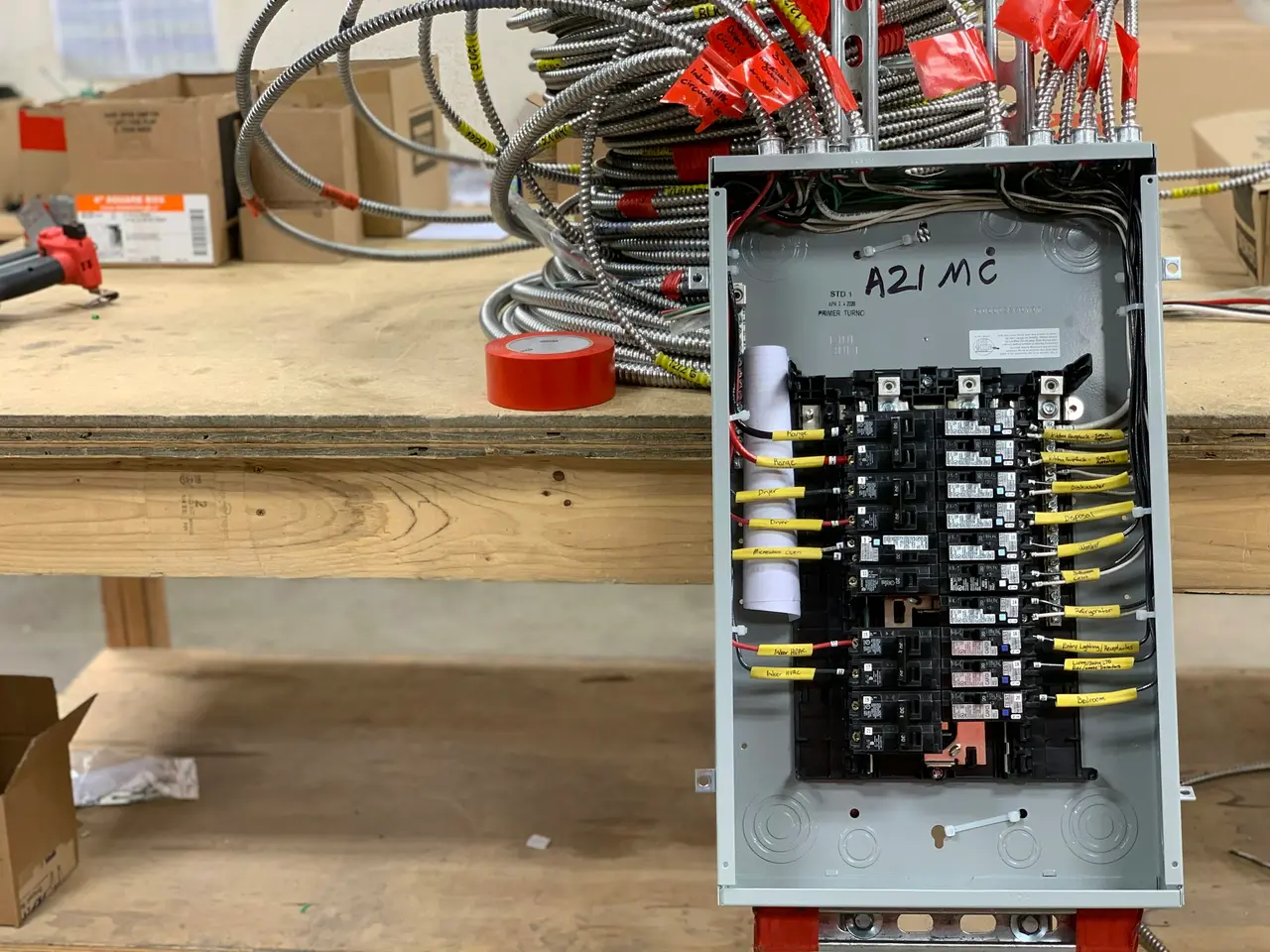
Arizona ROC License CR-11 #368777 · Look it up
Tell us what you need.
Free estimates, written flat-price quotes and permits handled, anywhere in the Valley.
602-935-7971