
Commercial
Restaurant and commercial kitchen electrical in Phoenix
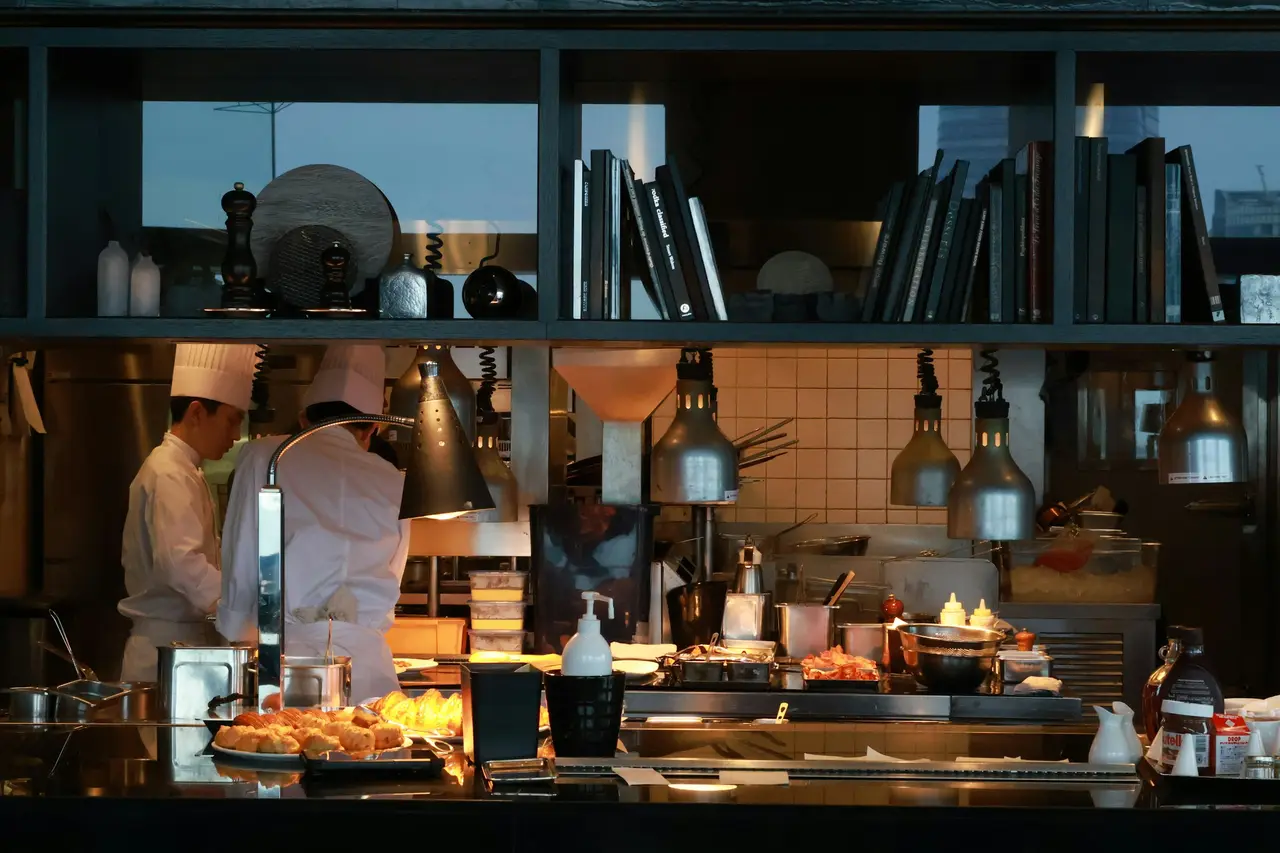
We wire restaurant kitchens, dining rooms and patios from the equipment schedule and the stamped plans, including hood interlocks, shunt-trip connections and walk-ins. We plan our inspections around the fire and health inspections that have to pass before opening day.
Get a free estimate
Tell us what is going on and we will set up a time to look at it.
Or call 602-935-7971
- Wired to the equipment schedule
- Hood and shunt-trip interlocks
- Scheduled to your opening date
What's included
- Review of the kitchen equipment schedule against the electrical plans
- Circuits and connections for cooking, dish and refrigeration equipment
- Hood light, exhaust fan and makeup air fan interlocks
- Shunt-trip wiring coordinated with the hood suppression installer
- Walk-in cooler and freezer power, disconnects and lighting
- GFCI protection for kitchen receptacles under the adopted code
- Dining, bar and patio lighting, fans, heaters and misting pumps
- Sign circuits and time clocks, with permits and inspections
Building from the equipment schedule
In a restaurant, the kitchen equipment schedule drives most of the electrical design. Each line lists a piece of equipment with its voltage, phase, amperage, connection type and location, and the food service designer or the franchisor usually issues it with the plans. A busy kitchen can have dozens of lines: fryers with electric controls, combi ovens, dish machines with booster heaters, ice machines, reach-ins, prep tables, warmers and the hood.
Before we price the job, we compare the schedule to the electrical drawings line by line and to the building service. Voltage is the usual problem. Many strip-center buildings in the Valley have 208-volt three-phase power, and equipment ordered at 240 volts may not perform as rated, heating equipment especially. Catching that before the equipment ships takes a phone call. Catching it at startup can push the opening. We also confirm which items plug in and which are hardwired, and match each receptacle to the cord cap the equipment ships with.
Hoods, exhaust fans and shunt-trip
The hood ties several trades together. The mechanical code requires the exhaust fan to run whenever the cooking equipment under the hood is operating, and the makeup air fan is typically interlocked to run with it. The hood controls usually ship with the hood. We power them, wire the fan starters and hood lights, and connect the interlocks the plans call for.
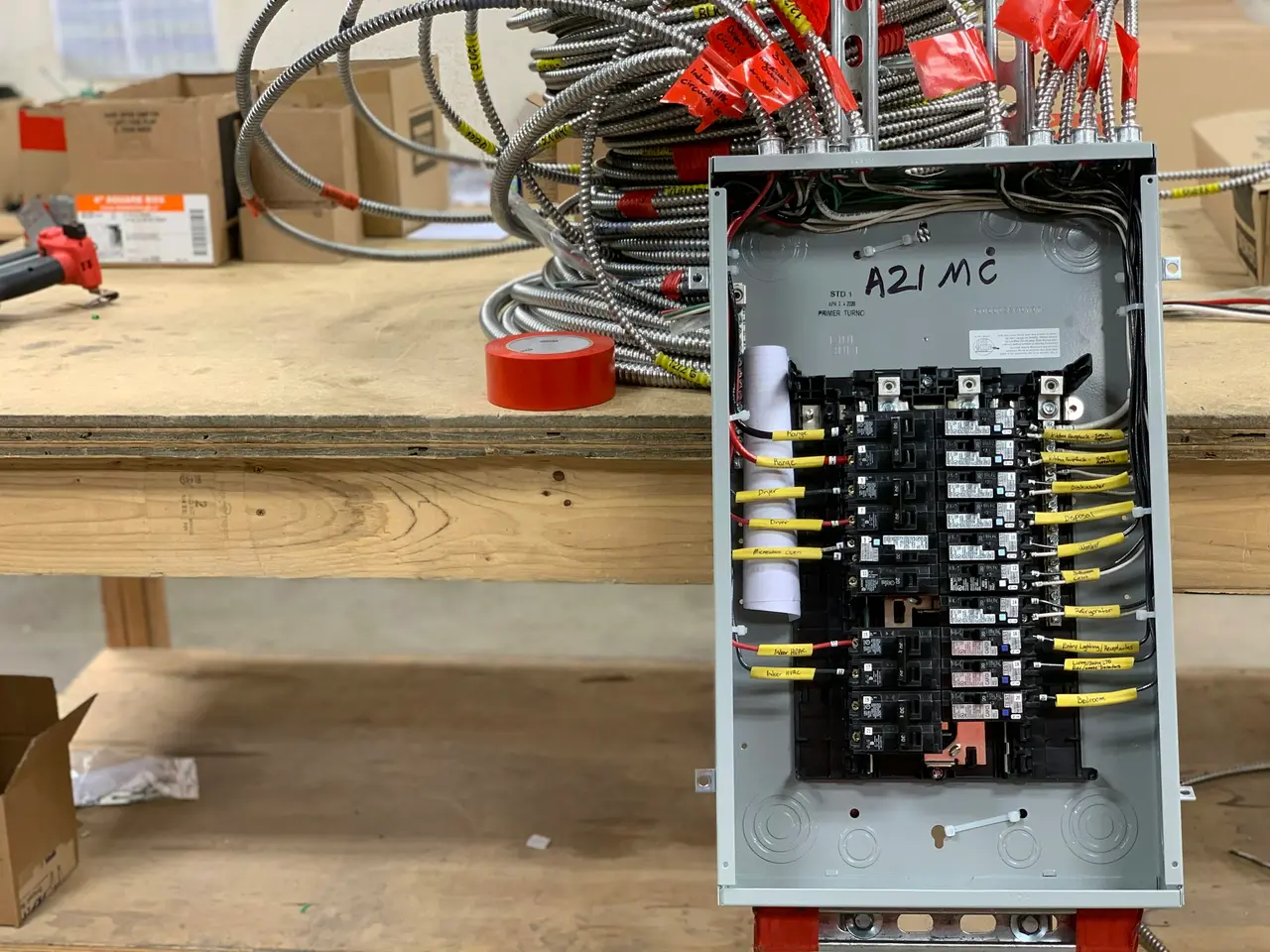
When the fire suppression system in the hood discharges, power to the electric cooking equipment under it has to shut off. That is usually done with shunt-trip breakers or a contactor, triggered by a switch in the suppression system. The suppression installer provides and sets that switch, and the fire alarm contractor handles any connection to a building fire alarm. We wire the shunt-trip side, label it on the panel schedule, and coordinate with the suppression installer on the system test, so the fire inspection does not stall on a wiring question.
Walk-in coolers and freezers
A walk-in is several electrical loads in one: the condensing unit, often on the roof in Valley strip centers, the evaporator coil inside the box, freezer door and frame heaters, interior lights and sometimes a heated drain line. Each part has a nameplate with a minimum circuit ampacity and a maximum breaker size, and we size the circuits and disconnects to those numbers. The code also requires a service receptacle near rooftop refrigeration equipment.
Who wires what on a walk-in varies from job to job, so we settle it in writing with the refrigeration contractor early: who brings power to which disconnect, who runs the control wiring between the evaporator and the condensing unit, and who sets the box lights. Timing matters too. The walk-in has to be wired, running and down to temperature before the health inspection and the first food delivery. A rooftop condensing unit works hard in a Phoenix summer, so we push to get it on permanent power early enough to prove it holds temperature.
GFCI protection in commercial kitchens
Recent editions of the National Electrical Code require GFCI protection for most receptacles in commercial kitchens, including many 208-volt and 240-volt receptacles for plug-in equipment. Exactly which receptacles are covered depends on the code edition your city has adopted, and Valley cities do not all use the same one.
GFCI protection makes sense in a wet, busy kitchen, but some equipment trips GFCI devices with no fault present. Older refrigeration, some motors and some heating equipment are the usual suspects, and a reach-in that trips overnight can cost a full load of product. We review the equipment list for known problem items, use the right type of GFCI device for each circuit, and work with the equipment supplier when a unit will not hold. The goal is protection that passes inspection and stays on through a Friday dinner rush.
Dining rooms, patios and signs
Dining rooms and bars usually get dimmable lighting set up in scenes the staff can change between lunch and dinner, along with the pendants and accent lights the designer specified. The energy code may require lighting controls in the space, so we set them up so they do not darken the dining room in the middle of service.
Patios in the Valley get used most of the year when they are wired for it. Summer brings fans and misting system pumps. Winter brings electric patio heaters, which draw a lot of current and need their own circuits. Outdoor receptacles need GFCI protection and covers that stay weatherproof with a cord plugged in. For the sign, the code generally requires a sign outlet at each tenant entrance, and the landlord or city usually controls when the sign can be lit. We provide the circuit and the time clock or photocell, and the sign company installs and permits the sign.
Franchise prototypes and second-generation spaces
Franchise restaurants come with a prototype plan set and an equipment package. The kitchen layout repeats from site to site, but the building changes. One site has a three-phase service with room to spare. The next is a second-generation restaurant with an old hood, a panel full of mislabeled breakers and circuits the last tenant abandoned in the ceiling. We price each site from its own existing conditions, map the prototype circuits onto what is there, and send questions to the architect of record before rough-in.
A ground-up pad with a drive-thru adds site lighting, underground conduit to the menu boards and order point, and a new service from APS or SRP. The utility sets its own schedule for designing and building a new service, so we start that process as soon as the load is known.
When to bring an electrician into a restaurant project
Before you sign the lease on a second-generation space, have us look at what is there. An existing hood, a large panel and a three-phase service can save real money, but only if they match your equipment. For ground-up and pad sites, call when the site plan is drawn, because a new utility service is often one of the longest lead items on the electrical side.
Then work backward from the opening date. The walk-ins need permanent power and time to pull down to temperature. The hood needs a passing suppression test. Staff training needs working equipment. Electrical finals come before most of that, so we schedule our inspections early and keep the GC informed of every date. Send the plans and equipment schedule to contact@prcselectrical.com or call 602-935-7971.
How it works
From the first call to a passed inspection.
01
Call or send plans
Call 602-935-7971, use the estimate form, or email drawings to contact@prcselectrical.com. We ask a few questions and set a time to look.
02
On-site visit
An electrician checks the panel, the service size, the circuits involved and what the utility or inspector will require.
03
Written flat price
You get the scope and the price in writing, including permits, before work starts.
04
Work and inspection
We work to your schedule, after hours when a business needs to stay open, pass inspection and walk you through the finished work.
Why people call Precise Electrical
Voltages checked before equipment ships
We compare the equipment schedule to the building service and flag voltage and phase mismatches while the order can still change.
Ready for the hood test
Shunt-trip and fan interlock wiring is done, labeled and coordinated with the suppression installer before the fire inspection is scheduled.
Planned back from opening day
We set rough-in, walk-in startup and final inspection dates from your opening date, and tell the GC early when a utility or inspection date puts it at risk.
Questions about restaurant electrical
What is a shunt-trip breaker in a restaurant kitchen?
It is a breaker that can be tripped remotely. In a kitchen, it cuts power to the electric cooking equipment under the hood when the fire suppression system discharges. The suppression installer provides the switch that signals the trip, and we wire it to the shunt-trip breakers or contactor and label the circuits.
Do commercial kitchen receptacles need GFCI protection?
Most do under recent code editions, including many 208- and 240-volt receptacles for plug-in equipment. Which ones depends on the edition your city has adopted. We check the equipment list for items known to trip GFCI devices and sort out problems before opening, so a reach-in does not trip overnight.
Can you wire the kitchen from the franchisor's prototype plans?
Yes. We build from the prototype plans as adapted by the architect or engineer of record for your site. We map the equipment package onto the building's actual service, flag voltage and capacity conflicts, and keep the circuit layout consistent so your operations team sees the same panel schedule format at each location.
Who wires the walk-in cooler and freezer?
Usually two trades share it. We bring power to the condensing unit and evaporator disconnects and wire the box lights, and the refrigeration contractor often handles the control wiring between components. The split varies, so we settle it in writing with the refrigeration contractor and the GC before rough-in.
Can you reuse the electrical in a second-generation restaurant?
Often, in part. The service, panels and some equipment circuits can stay if they are in good shape and match your layout. Abandoned circuits, mislabeled breakers and an old shunt-trip setup need to be traced first. We survey the space and tell you what can be reused before you finalize the equipment plan.
How do inspections affect our opening date?
They set much of it. Electrical rough-in and final, the hood suppression test, the fire inspection and the county health inspection all have to pass before you open, and the order and scheduling vary by city. We schedule our inspections as early as the work allows and tell the GC right away if a correction is needed.
Can you work while our restaurant stays open?
Yes, for remodels and equipment additions. We work after close or before morning prep, keep refrigeration powered or plan a short outage with your kitchen manager, and leave the line working before the next shift. Panel and service work needs a planned shutdown, which we schedule for a closed day when possible.
Do you install the hood suppression or fire alarm system?
No. The hood suppression system is installed and tested by a suppression contractor, and fire alarm work goes to the fire alarm contractor. We wire the electrical side of the interlocks, including shunt-trip and fan controls, and coordinate with both trades so the systems are tested together before the fire inspection.
Related guides
Other services
- Dental & medical
- Retail build-outs
- Office electrical
- Industrial electrical
- Commercial electrical
- Build-outs & renovations
- Commercial lighting
- Electrical maintenance
- Panel upgrades
- Electrical repair
- EV chargers
- Rewiring
- Lighting
- Ceiling fans
- Outlets & GFCI
- Surge protection
- Backup power
- Safety inspections
- Emergency electrician
- Pool & spa
The crew
Licensed electricians on every job
The electrician who looks at your job is qualified to do it. We photograph what we find and give you options when there is more than one good fix.
- Arizona ROC licensed and insured
- Photos and written findings on every job
- Permits and inspections handled
- Clean job sites and labeled panels
Arizona ROC License CR-11 #368777 · Look it up
Tell us what you need.
Free estimates, written flat-price quotes and permits handled, anywhere in the Valley.
602-935-7971