
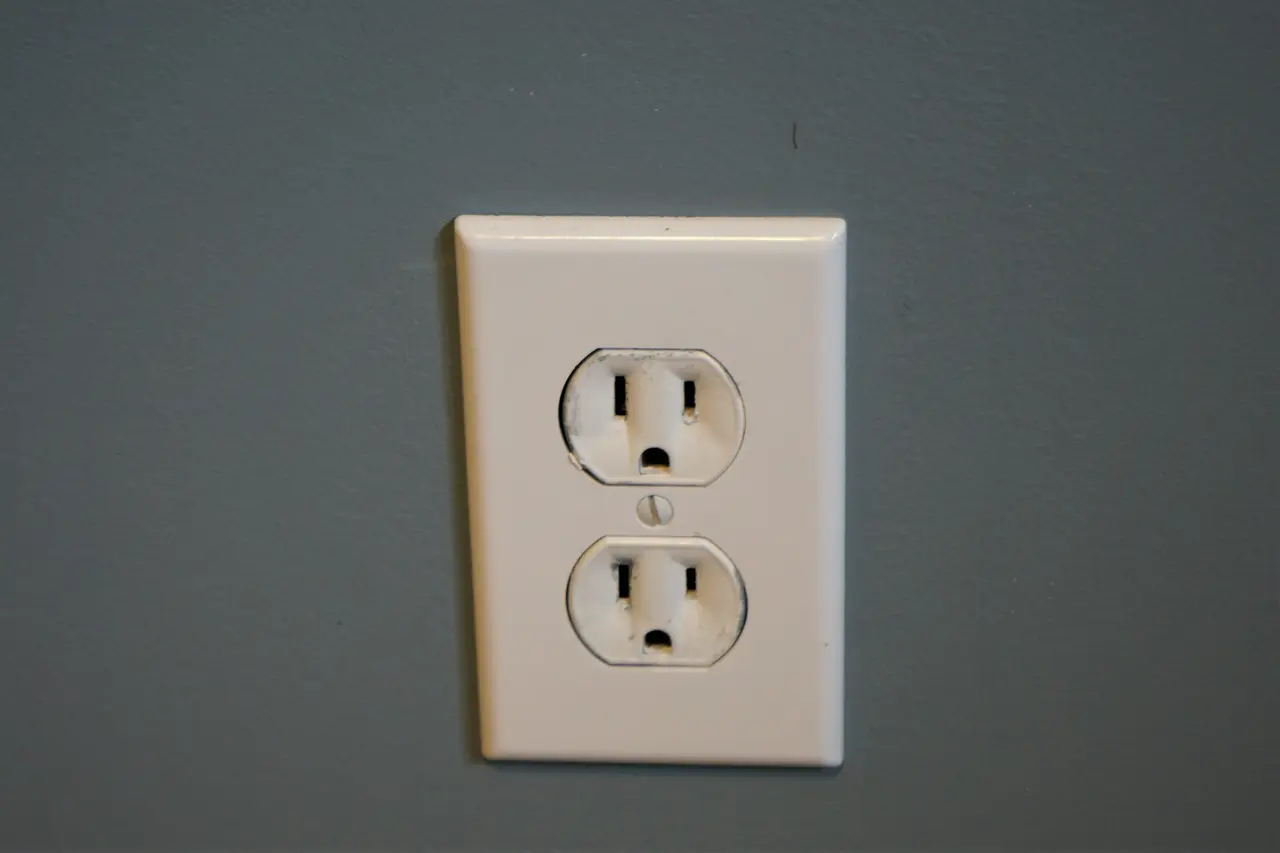
Residential
Outlets, GFCI and AFCI protection in the Phoenix Valley
If you are short on outlets, still living with two-prong plugs, or need a 240-volt outlet for a new appliance, we add the right outlet in the right place and protect it the way the code your city has adopted requires.
Get a free estimate
Tell us what is going on and we will set up a time to look at it.
Or call 602-935-7971
- New outlets where you need them
- Two-prong outlets made grounded
- GFCI and AFCI protection added
What's included
- New outlets on existing or new circuits
- Two-prong outlets replaced with grounded outlets on grounded circuits
- GFCI protection in kitchens, bathrooms, garages and outdoors
- AFCI breakers for living areas where the code requires them
- USB and USB-C outlets for kitchens, desks and bedrooms
- 240V outlets for dryers, ranges, shop tools and EV chargers
- Weatherproof boxes and in-use covers for outdoor outlets
- Testing every outlet and breaker we touch
Adding outlets where you need them
Power strips and extension cords running across a room are a sign the house needs more outlets. They also tend to end up under rugs and behind furniture, where a damaged cord can overheat without anyone noticing.
Adding an outlet usually means extending an existing circuit or running a new one. We check what is already on the circuit first. A bedroom outlet can often come off a nearby circuit. A home office, a garage freezer or a kitchen appliance may need its own.
In a slab home, we usually run new wire down from the attic to keep wall openings small. Outdoor outlets for a patio, holiday lights or a fountain get GFCI protection, a weatherproof box and an in-use cover that keeps rain out while something is plugged in.
Upgrading two-prong outlets
Many older homes, including a lot of the 1920s to 1950s houses in central Phoenix, still have two-prong outlets. There is no ground wire behind them, which matters for surge protectors, computers and any appliance with a three-prong plug.
Swapping a two-prong outlet for a three-prong one without a ground does not make it safer. It only hides the problem, and a plug-in tester will flag it. There are real fixes. The complete one is running a new grounded circuit. Current code also allows GFCI protection as an option for ungrounded outlets, with labels saying there is no equipment ground.
We look at your wiring and explain which approach fits each room. Often it is a mix: grounded circuits for the kitchen, office and entertainment wall, and GFCI protection elsewhere until a larger rewire makes sense.
GFCI protection for kitchens, baths, garages and outdoors
A GFCI compares the current going out on a circuit with the current coming back. If some of it leaks away through water or a person, it shuts the power off in a fraction of a second. Code requires GFCI protection in wet and damp locations, including kitchens, bathrooms, garages, outdoors and around pools.
The protection can come from a GFCI outlet, which also protects the outlets wired after it, or from a GFCI breaker in the panel. We pick the one that makes sense for the circuit and label which outlets are protected so you know where to reset.
Outdoor GFCIs in Phoenix take a beating from sun, dust and monsoon rain. If yours trips every time it rains, water is getting in somewhere, and that is worth fixing.
AFCI breakers and why they trip
An AFCI breaker watches for arcing, the kind of electrical spark that happens when a wire is damaged, a connection is loose, or a cord is crushed under furniture. Arcing can start a fire inside a wall without ever drawing enough current to trip a standard breaker.
Recent codes require AFCI protection in most living areas, though the details vary by code edition. When we add or extend a circuit in a bedroom or living area, the code your city has adopted may require AFCI protection on it, and we install it.
AFCI breakers sometimes trip because of a real wiring problem, and sometimes because of an old appliance with a worn motor or cord. If yours keeps tripping, don't swap it for a standard breaker. Call us, and we will find out what it is reacting to.
240-volt outlets and USB outlets
Dryers, ranges, welders, shop tools and plug-in EV chargers need a 240-volt outlet on a dedicated circuit. Each one calls for a specific outlet type and circuit size, listed in its installation instructions. We match the outlet, breaker and wire to the appliance and check that your panel has room for it.
Older homes sometimes have three-wire dryer or range outlets, while newer appliances are often set up for four-wire connections. We tell you what your circuit can safely support and update it when needed.
USB and USB-C outlets are a simple upgrade in kitchens, offices and bedrooms. They free up the regular plug for something else and cut down on loose chargers. We install listed units that fit the box and the circuit.
When to add or upgrade outlets
The best time to check for a 240-volt outlet is before you buy the appliance. A new dryer or range that arrives before the outlet is ready just sits in the garage. Before monsoon season starts on June 15 is a good time to have outdoor outlets checked, covered and protected.
Call right away for outlets that feel warm, look scorched, spark when you plug something in, or no longer hold a plug. If anyone feels a tingle near a pool, spa or outdoor outlet, get everyone away from the water and call an electrician.
How it works
From the first call to a passed inspection.
01
Call or send plans
Call 602-935-7971, use the estimate form, or email drawings to contact@prcselectrical.com. We ask a few questions and set a time to look.
02
On-site visit
An electrician checks the panel, the service size, the circuits involved and what the utility or inspector will require.
03
Written flat price
You get the scope and the price in writing, including permits, before work starts.
04
Work and inspection
We work to your schedule, after hours when a business needs to stay open, pass inspection and walk you through the finished work.
Why people call Precise Electrical
Protection that fits the location
GFCI where water is nearby, AFCI where the code calls for it, and weatherproof covers outside. We explain what each one does.
Grounding upgrades done to code
Three-prong outlets get a real ground or a code-allowed alternative, labeled.
Clear labels at the panel
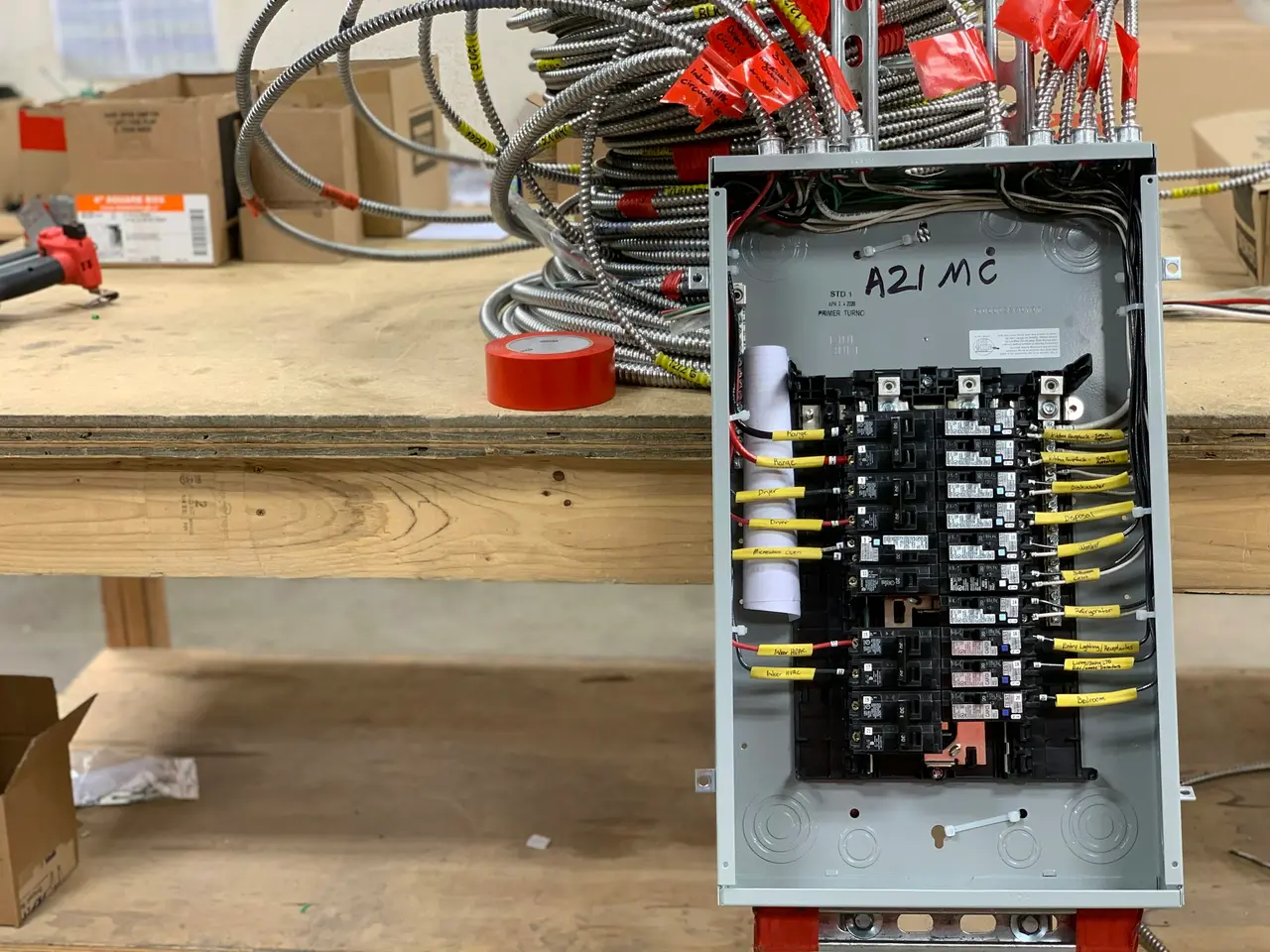
When we add or change circuits, we label the breakers and show you which GFCI resets which outlets.
Questions about outlets, GFCI & AFCI
Can I replace a two-prong outlet with a three-prong one?
Only if the circuit has a ground or the outlet is protected the right way. A three-prong outlet on ungrounded wire only looks safer. Current code allows GFCI protection as one option for ungrounded outlets, with labels. Running a grounded circuit is the complete fix.
Where do I need GFCI outlets?
In wet and damp locations. That includes kitchens, bathrooms, garages, outdoor outlets and anything around a pool or spa. The exact list depends on the code your city has adopted. We can check your home and add GFCI protection where it is missing.
Why does my GFCI keep tripping?
Usually moisture, a failing appliance, or a worn-out GFCI. Outdoor GFCIs often trip in monsoon rain when water gets into a box or a cord. Unplug everything on the circuit and reset it. If it still trips, or trips with nothing plugged in, have it checked.
What is the difference between GFCI and AFCI?
They protect against different problems. A GFCI protects people from shock by cutting power when current leaks away, such as through water or a person. An AFCI protects against fire by detecting dangerous arcing in wiring and cords. Some devices combine both, and many homes need each in different places.
Can you add a 240-volt outlet for my dryer or shop tools?
Yes, if your panel has room for the circuit. We match the outlet type, breaker size and wire to the appliance, run a dedicated circuit, and pull a permit when your city or county requires one. If your panel is full, we will talk through the options.
Are USB outlets safe?
Yes, when they are listed by a recognized testing lab and installed correctly. Cheap, unlisted units are the ones to avoid. A USB outlet is a good fit in kitchens, on nightstands and at desks, and it frees up the regular plug for something else.
I felt a tingle near my pool. What should I do?
Get everyone out of the water and away from the pool, keep them out, and call an electrician. A tingle can mean a bonding or wiring problem. NEC Article 680 covers pool and spa wiring, including bonding and GFCI protection, and the cause should be found before anyone swims again.
Other services
- Panel upgrades
- Electrical repair
- EV chargers
- Rewiring
- Lighting
- Ceiling fans
- Surge protection
- Backup power
- Safety inspections
- Emergency electrician
- Pool & spa
- Dental & medical
- Restaurants
- Retail build-outs
- Office electrical
- Industrial electrical
- Commercial electrical
- Build-outs & renovations
- Commercial lighting
- Electrical maintenance
The crew
Licensed electricians on every job
The electrician who looks at your job is qualified to do it. We photograph what we find and give you options when there is more than one good fix.
- Arizona ROC licensed and insured
- Photos and written findings on every job
- Permits and inspections handled
- Clean job sites and labeled panels
Arizona ROC License CR-11 #368777 · Look it up
Tell us what you need.
Free estimates, written flat-price quotes and permits handled, anywhere in the Valley.
602-935-7971